
Using Water-based Color Paint on Wooden Toys
In recent years, water-based color paints have garnered substantial attention in the global market, serving as a transformative alternative to conventional solvent-based paints. These paints provide numerous advantages, including environmental sustainability, health safety, and enhanced performance. Despite the complexity of their manufacturing process, they are engineered to deliver high-quality products that cater to the varied requirements of both consumers and industries. As the demand for eco-friendly and high-performance coatings continues to rise, water-based color paints are expected to assume an even more pivotal role in the future of the paint industry.

The Merits of Water-Based Color Paint for Wooden Toys
Water-based color paints is crucial for wooden toys. With advantages like user-friendliness, safety, durability, and good looks, it`s highly preferred in toy manufacturing. Applying it protects wooden toys from external elements, highlights the multi-colors beauty, ensures their longevity and quality, and guarantees child safety. As an eco-friendly choice, it reduces the environmental impact of toy production, making it perfect for creating high-quality, sustainable wooden toys.
Non-Toxic and Child-Safe
- Free from harmful solvents and heavy metals, making it safe for children’s toys.
- Zero VOC content ensures minimal health risks during application and use.
Compliance with Safety Standards
- Satisfy international safety regulations, including ASTM F963 (U.S.) and EN71 (European), for items intended for children.
- Guarantee that the toys are both safe to use and meet all applicable regulations.
Vibrant, Long-Lasting Colors
Durable and Washable
Hygiene and Maintenance
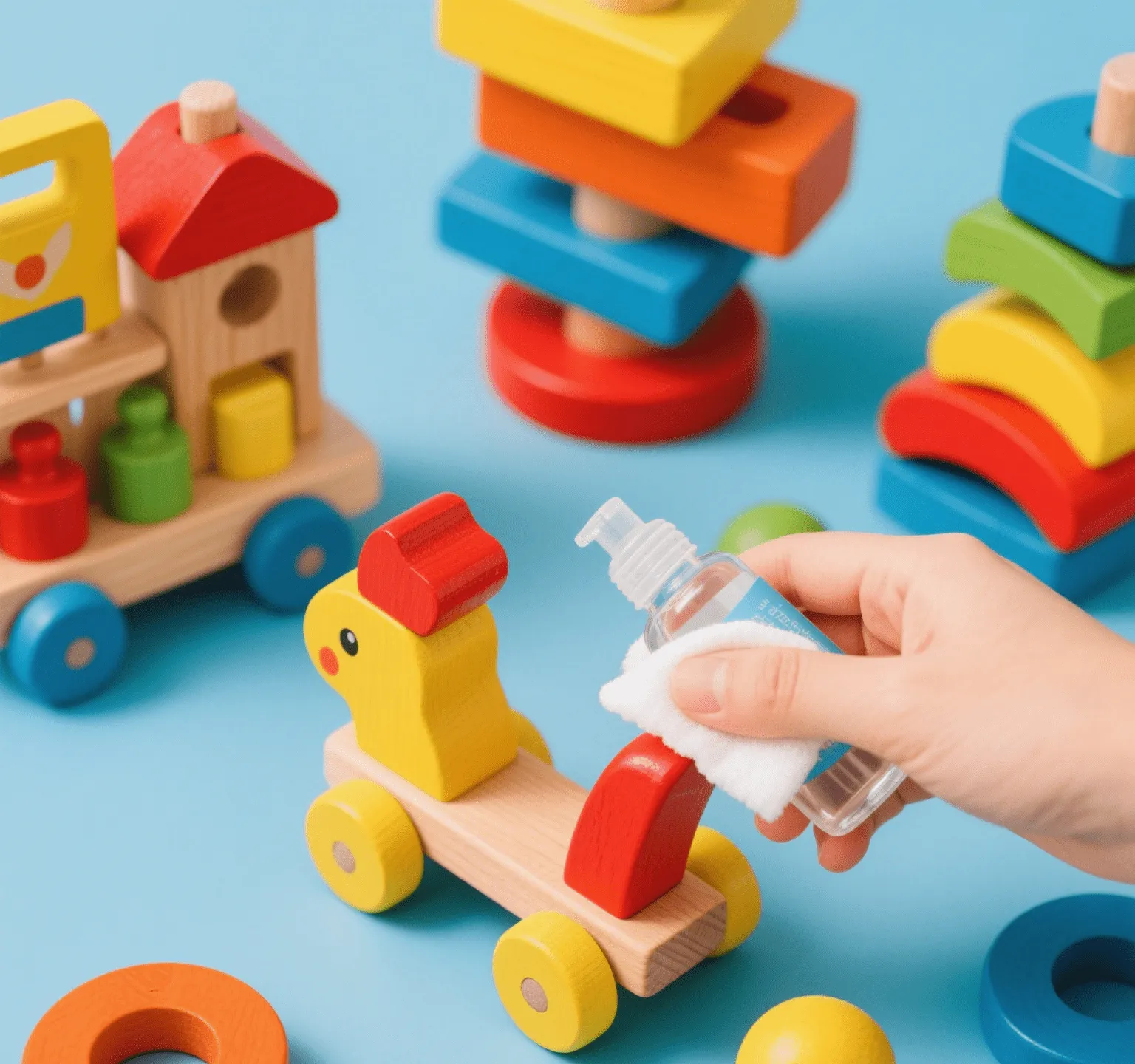
- The varnish creates a smooth, sealed surface that resists dirt and stains, ensuring better hygiene for children.
- Regular cleaning with a damp cloth is sufficient to keep the toys in good condition.
Environmentally Friendly
The Process of Applying Water-based Color Paint
Surface Preparation
Primer Application (Optional)
Paint Preparation
First Coat Application
- Apply a thin, even layer using a soft brush, sponge, or spray gun. Work in the direction of the wood grain.
- Allow the first coat to dry for 1-2 hours (drying times may vary based on environmental conditions).
Sanding Between Coats
- Once dry, lightly sand the surface with 320-grit sandpaper to remove imperfections.
- Clean off dust before applying the next coat.
Additional Coats
- Apply 2-3 thin coats for vibrant, even coverage, allowing each coat to dry completely.
- More coats may be needed for darker or more opaque colors.