
Exploring Various Painting Techniques for Wooden Toys
Wood Wax Oil
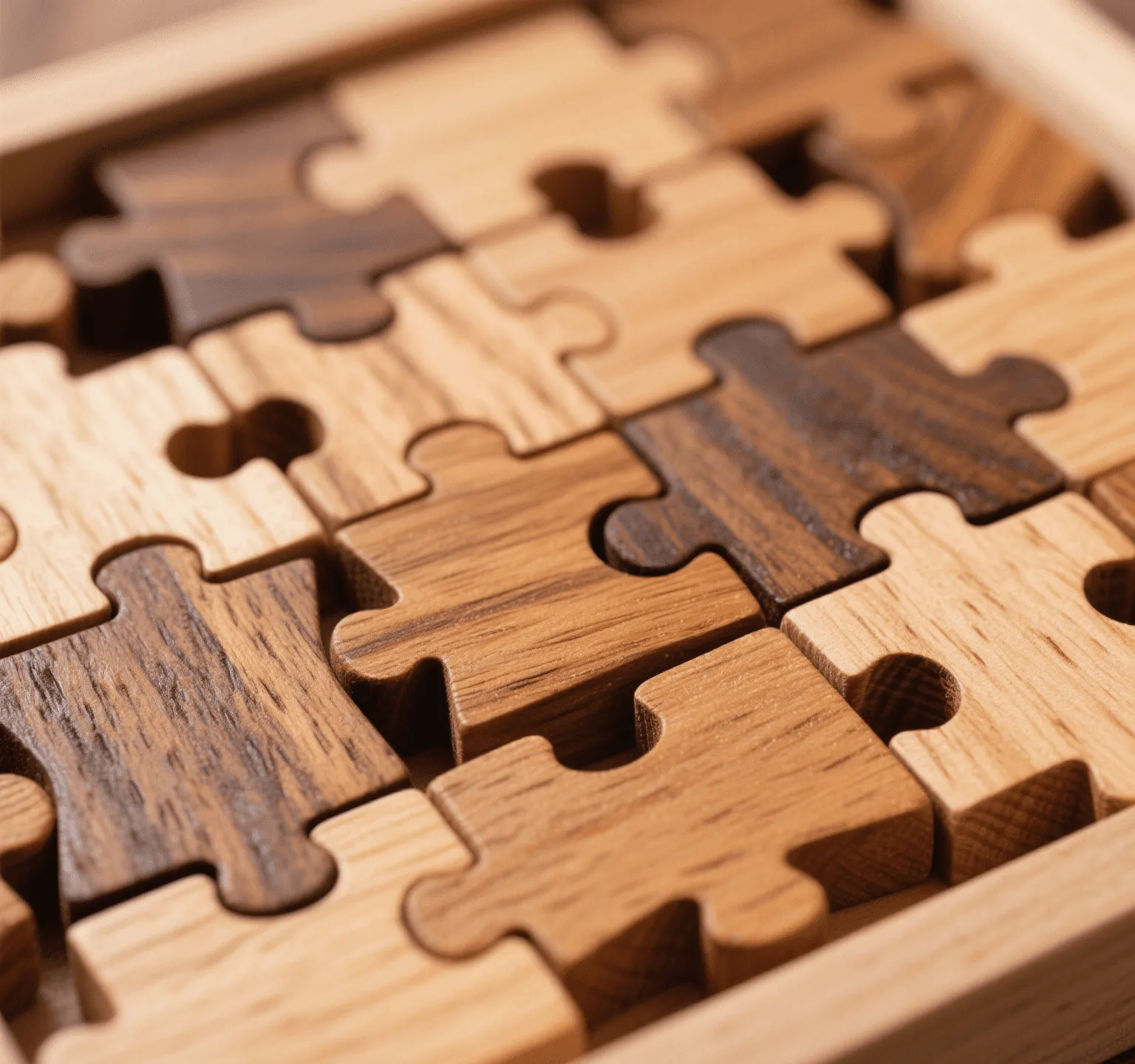
Wood wax oil is a natural and eco-friendly finishing option made from a blend of plant-based oils (such as linseed or tung oil) and natural waxes (like beeswax or carnauba wax). It penetrates deeply into the wood, enhancing its natural grain and providing a soft, matte finish. This method is ideal for wooden toys as it is non-toxic, food-safe, and free from harmful chemicals. Wood wax oil also offers excellent water resistance and durability, protecting the wood from wear and tear while maintaining its natural texture. The result is a smooth, tactile surface that feels warm and organic to the touch, making it perfect for toys that children frequently handle.

Water-Based Varnish
Water-based varnish is a clear, non-toxic coating that provides a protective layer over wooden toys. Unlike traditional varnishes, it uses water as a solvent, making it safe for children and environmentally friendly. This type of varnish dries quickly, is easy to clean, and emits minimal odor. It enhances the natural beauty of the wood while offering resistance to scratches, moisture, and UV damage. Water-based varnish is available in various paints, from matte to glossy, allowing for customization based on the desired look. Its safety and durability make it a popular choice for children’s toys.

Water-Based Colored Paint
Water-based colored paint is a safe and vibrant option for adding color to wooden toys. Made with non-toxic pigments and water as a solvent, this paint is free from harmful chemicals and VOCs (volatile organic compounds). It is ideal for children’s toys as it is safe to chew on and easy to clean. The paint provides a smooth, even finish and is available in a wide range of colors. Its quick-drying nature and low odor make it a practical choice for manufacturers and DIY enthusiasts alike. This type of paint allows for creative designs while ensuring the safety of young users.
Wood Grain Paint
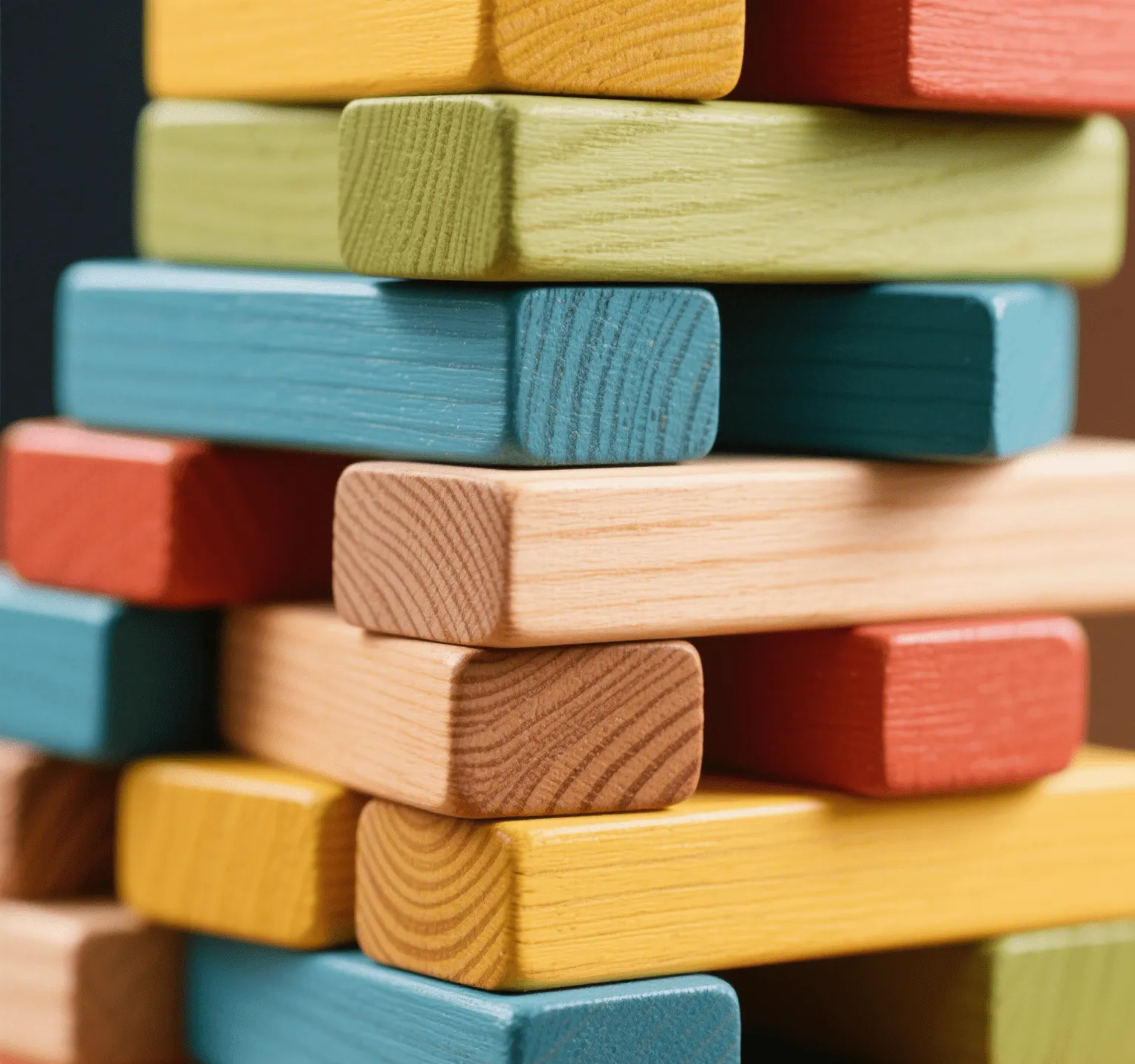
Wood grain paint is a translucent or semi-transparent coating that allows the natural grain of the wood to show through while adding a hint of color. This technique is ideal for those who want to preserve the organic beauty of the wood while enhancing its appearance. Wood grain paint can be applied using brushes, sprayers, or wiping techniques, depending on the desired effect. The result is a textured, natural finish that highlights the unique patterns and characteristics of the wood, making each toy one-of-a-kind. This method is perfect for creating toys that celebrate the natural aesthetics of wood.
75-Degree Alcohol-Resistant Paint
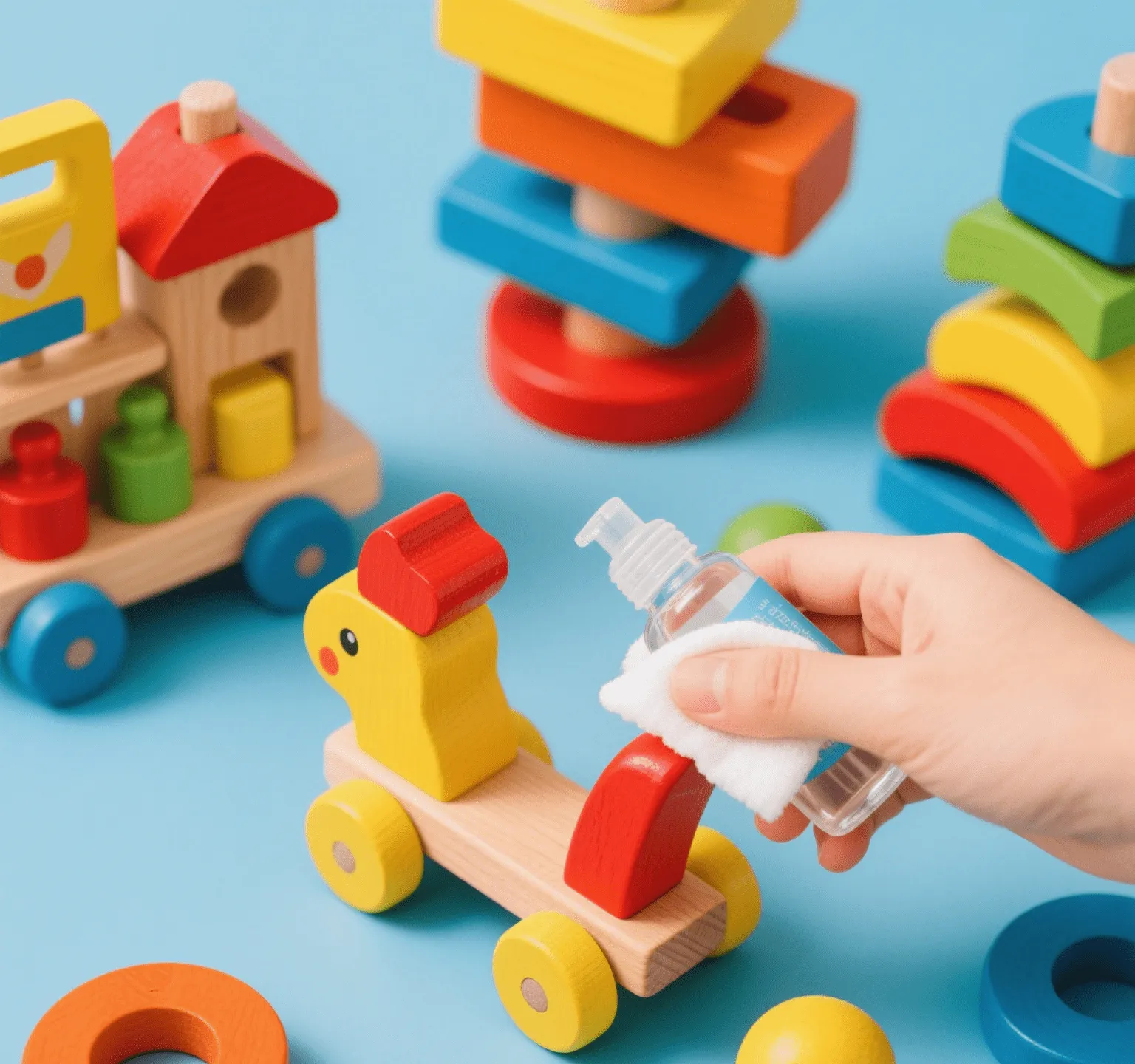
75-degree alcohol-resistant paint is a specialized coating designed to withstand cleaning and disinfecting with alcohol-based solutions. This type of paint is particularly important for toys that require frequent sanitization, such as those used in daycare centers or hospitals. The paint is formulated to resist fading, peeling, or discoloration when exposed to 75% alcohol, ensuring that the toy’s appearance remains intact even after repeated cleaning. This finishing method combines durability with safety, making it an excellent choice for environments where hygiene is a top priority.
Why Wooden Toys Require Different Painting Techniques
Wooden toys are beloved for their natural beauty, durability, and eco-friendliness. Choosing the right painting techniques for wooden toys involve considering the type of wood, the toy’s intended use, safety requirements, aesthetic preferences, environmental impact, and maintenance needs. By selecting the appropriate finish to ensure that the toys are safe, durable, and beautiful, providing years of enjoyment for children while maintaining their natural charm and eco-friendly appeal.
Type of Wood
Different types of wood have unique characteristics that influence the choice of paints:
Porous Woods:
Woods like pine or oak have open grains that absorb paints differently. For these, penetrating wax oil is ideal as they seep into the wood, providing deep nourishment and protection.
Dense Woods:
Hardwoods such as maple or cherry have tight grains. They benefit from surface paints like water-based paints, which form a protective layer on top.
Intended Use
Different types of wood have unique characteristics that influence the choice of paints:
High-Use Toys:
Toys that are frequently handled or played with, such as building blocks or puzzles, need durable paints to withstand wear and tear, such as water-based paints.
Decorative Toys:
For toys that are more decorative and less handled, such as figurines or display items, a simple wax oil can enhance the natural beauty without the need for heavy-duty protection.
Safety Considerations
Different types of wood have unique characteristics that influence the choice of paints:
Non-Toxic Finishes:
It’s essential to use non-toxic, food-safe finish like wax oil and water-based paints. These finish ensure that even if children put the toys in their mouths, there is no risk of harmful chemical exposure.
Smooth Surfaces:
Paints should create smooth surfaces free from splinters or rough edges. This often requires sanding between coats and using paints that level well, such as water-based paints.
Aesthetic Preferences
Different types of wood have unique characteristics that influence the choice of paints:
Natural Look:
For a natural, matte appearance, wax oil is ideal. They enhance the wood’s grain without adding a glossy finish.
Glossy Finish:
If a shiny, polished look is desired, water-based vanish can provide a high-gloss finish that highlights the wood’s color and grain.
Environmental and Health Factors
Different types of wood have unique characteristics that influence the choice of paints:
VOC-free Paints:
Volatile Organic Compounds (VOCs) can be harmful to both the environment and human health. Choosing VOC-free finishes like water-based paints or natural wax oil are preferable.
Sustainable Options:
Finishes derived from renewable resources, such as wax oil, align with the eco-friendly nature of wooden toys.
Maintenance and Longevity
Different types of wood have unique characteristics that influence the choice of paints:
Easy Maintenance:
Finishes like wax oil is easy to reapply and maintain, making them suitable for toys that require regular touch-ups.
Long-Lasting Protection:
More durable paints like water-based paints provide long-lasting protection but may require more effort to apply and maintain.


Why Choose Weiben Unique Painting Techniques?
Discover why leading brands trust us for their unique needs.
Our commitment to excellence and sustainability set us apart in the industry.

Safe and Eco-friendly Paints
We use safe and eco-friendly paints with our brilliant products to ensure kid`s safety and reduce environmental pollution which align with our high quality standards and sustainable development trends.
Customization Service
Whether the colors, painting effects and printing patterns, we can personalize the products to meet your specific requirements.
High Quality Assurance
We rigorously control each process in painting works to realize the best performance and the highest standards of the products.
Fast Response
We will response within 24 hours whenever you ask the questions about paints and techniques during the process from design to production.
HOW WE WORK TOGETHER
From Idea to Product
Communication & Design
Quotation & Alternative
Prototyping
Production & Packaging
Inspection
Shipment
01
Communication & Design
Communicate with our designers about the important details of your project and confirm the artworks/designs you satisfied.
02
Quotation & Alternative
Confirm the quote or research the most suitable alternative on the materials and the cost.
Prototyping
The industry`s finest and rapid prototyping for you to comprehensive review.
Production & Packaging
After mass production complete and custom packaging is used based on your requirements.
Inspection
The QC team works in close contact with production department to ensure high-standard quality of products and correct packaging methods.
Shipment
Streamline process assures your customized products delivered in the shortest time possible using your chosen ways.